

There’s still a lot to sort out in Canada’s housing market…including the conundrum that billions in government and private capital earmarked for new development have yet to break the inertia in the system.
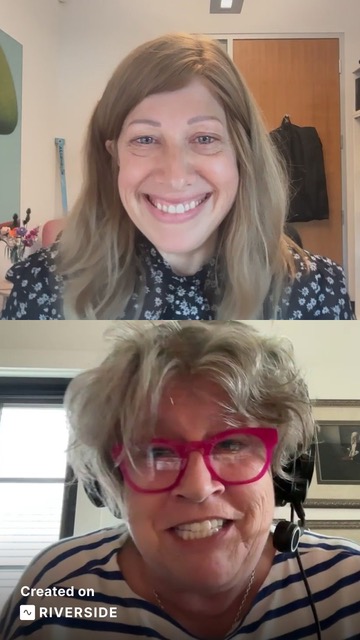
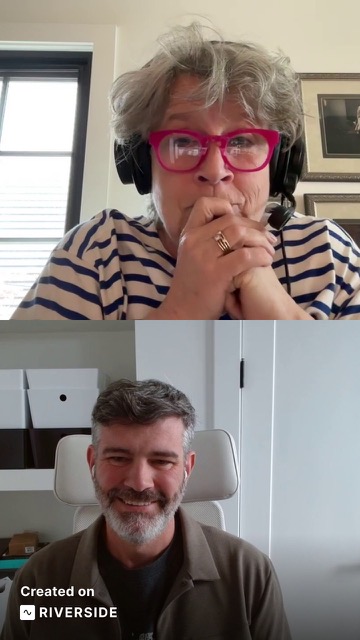
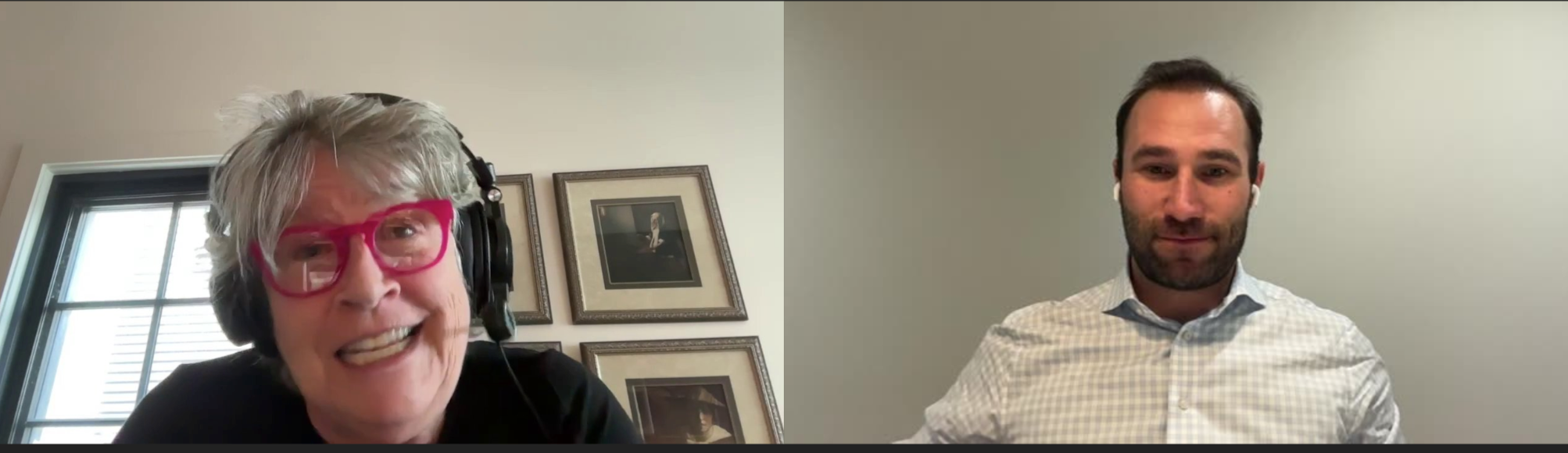
Mary Rowe talks about this reality with two gentlemen who understand it well: Benjamin Tal, the senior chief economist at CIBC World Markets, and Jamie Cooper, president, Development and Income Properties at Dream Unlimited.
”Prices are too high to buy and not high enough to build. So the system is broken.” Benjamin Tal
Full Podcast
Transcript
Note to readers: This video session was transcribed using auto-transcribing software. Questions or concerns with the transcription can be directed to [email protected] with “transcription” in the subject line.
Mary Rowe: This is City Talk the Podcast, brought to you by the Canadian Urban Institute, also known as CUI, and I’m Mary Rowe. This episode continues our closer look at the evolving state of Canada’s housing condition, market system, which, despite the billions of capital dollars directed its way, remains in a state of crisis. We’ll be talking about this and many other urban issues at CUI State of Canada City Summit in Ottawa in a few weeks. But right now we’re going to talk about capital and financing with someone who not only keeps a close eye on all that, but has a well-earned reputation for influencing decision makers affecting market conditions. Benjamin Tal is the senior chief economist at CIBC World Markets and a regular contributor to the Canadian Chamber of Commerce, the Toronto Region Board of Trade, and other public venues. Benjamin, welcome to City Talk. And I’d like to start by asking you to describe the financial status of the housing market in Canada as you see it right now.
Benjamin Tal: That’s a good one. First of all, we cannot divorce the housing market and its performance from the microeconomic story, i.e., Trump interest rates, long-term interest rates in the US are rising. Nothing to do with Canadian housing. It’s all about fiscal policy, about inflation expectations. Unfortunately, they move, we move. So the five-year rate in Canada, the 10-year rate in Canada, that is so important to performer, moving just in sympathy with the US. Nothing to do with Canada. But that’s the way it is. We are price takers. And that’s something that is really complicating the math when it comes to purpose built rent and when it comes to going out with projects. So that’s one something that we cannot control, but it’s extremely important determining where we are going in the housing market over the next uh six months. So that’s one thing. The other is the inflation story that is impacting again short-term interest rates. We have a situation in which the Fed is already raising interest rates. The Bank of Canada just uh recently is tweeting about the possibility of raising interest rates, not because of the fact that the economy, both in Canada and the US, need higher interest rates, but because of the inflationary aspect of higher gasoline prices due to the war with Iran. Again, we cannot control it. That’s a major factor impacting the psyche of the housing market in Canada. So I would describe the housing market today. Prices are too high to buy and not high enough to build. So the system is broken. That’s the way I see it, quite frankly. The correction that we got in the market is not really a correction, it’s an adjustment, and it’s not enough to fix the affordability crisis that we are facing. There is no question about it. And the developers, they cannot make money. They simply cannot make money. The cost of delivery is simply too high in this country. And if you add to it the latest increase in interest rates, it’s definitely not helping. So the system is not working. We are building basically zip, which is not good when it comes to the future. We need more housing, not less housing, but we need the right housing. So that’s more or less where we are.
Mary Rowe: Wow, you just there’s so many phrases there I want to remember. I’m glad that we taped these shows so I can go back and listen. Prices are too high to buy and not high enough to build. Wow. I mean, that’s the that in a nutshell is the dilemma that we’re in. That uh the folks that take the risk to actually create the units, uh, the math isn’t working for them. And the people that actually want to buy these units, the math isn’t working for them either.
Benjamin Tal: Exactly. And that’s why we have been pushing for two things. First of all, to reduce or eliminate the HST on a new building, and that’s exactly what the government did after a lot of lobbying. That’s the right thing to do again on new construction that is basically providing some energy to new construction. But we also have to really do something big with development charges. As you know, Mary, development charges is a major issue. It’s too costly, and it’s something that prevents from uh developers from doing anything. And uh the way I put it is the following: if they don’t build, you don’t collect development charges as a municipality. So you’re not sacrificing anything by cutting them significantly. We are not there yet.
Mary Rowe: Uh, it’s part of a larger system-wide conversation, though, about how we actually pay for all the other investments that are required to make a house or a housing unit livable. So the development charges don’t come out of nowhere, as you know. And I know it’s hotly contested because we have some parts of the country where a development charge is lower and other parts where it’s higher. But it sort of speaks to the question, which is why the governments have it, other governments are having to step in and say, well, we’ll allow or we will encourage the deferral of development charges, but they have to make the municipality whole because they use that money to pay for infrastructure, pay for roads, pay for sewers, pay for parks. You know what I mean? Like we can’t so if we if we just build baby build with nothing else around it, I don’t think that solves the problem either.
Benjamin Tal: Yeah, so I think the model should be the following it’s not the municipalities don’t have the money. There’s no question about it. So either you give them the means to raise money, namely through bonds, that’s one possibility. Yeah, the other is uh let Ottawa write a check, and I think that’s a reasonable scenario. Ottawa can write a check that it’s not it’s not very expensive, but it will improve the situation significantly. I think development charges in this country are way too high. And if you look at the city of Toronto, for example, they’re sitting on a mountain of cash just from development uh charges that they will not utilize. So that’s not ideal given the shortage of housing that we have.
Mary Rowe: Uh back to other mechanisms. I hear you. Uh, municipal bonds would be one, as you suggested, or this idea. I love your your verb, let, let Ottawa write a check, versus saying infrastructure across this country is a national good. It’s a national asset, allows us to function. We already have a federal department that has infrastructure in its title. So are you suggesting that we need more, we need to have more investment? They already put 32 billion bucks into it to build community strong.
Benjamin Tal: Absolutely. Listen, infrastructure is like the oxygen of the economy, and we need more oxygen. There’s no question about it. I think that we have an opportunity in this environment in which uh, let’s face it, in five, six years from now, we we will be thanking Trump for waking us up. There’s no question about it.
Mary Rowe: You know, I did a media interview this morning with Manitoba, CBC, because Winnipeg is having to close some arenas because they don’t, because the municipality doesn’t have the money to fix the arenas and they feel they’re not safe. Uh all sorts of folks are having a nervous breakdown up, but it’s like, where are we going to play hockey? Where do I take my kids? Obviously. And I made the case, well, actually, this is all part of the infrastructure conversation. Infrastructure is pipes and sewers and roads. It’s also libraries, it’s also arenas where we take our kids to skate and it’s swimming pools and all that stuff. So I think this is a larger conversation. And can we get the government of Canada, as it talks about major projects, big, large investments, can we get them to also focus on place-based investments, Benjamin? Like that is the thing. As you know, the conversation tends to be at 30,000 feet. And we’re saying, wait a sec, we have all this enabling stuff that has to happen in communities so that people have a place to earn a living and raise their families. How do we get it to be a local conversation?
Benjamin Tal: Absolutely. And I think that’s a condition that is extremely important to understand. We are talking about all kinds of things that the families would like to use when they buy a condo or buy a house. I think that’s part of the infrastructure. Therefore, I think that housing should fall under the umbrella of the infrastructure spending, no question about it.
Mary Rowe: So housing is infrastructure.
Benjamin Tal: Absolutely. Yeah. Absolutely. Housing is infrastructure, and all everything that comes with housing is infrastructure.
Mary Rowe: Yeah, the whole thing. So you work for a bank, you’ve worked for a bank for a while. What’s the role of banks? Just asking.
Benjamin Tal: Yes, the role of banks is to help the system. Banks are like the oil of the system, you have to make it smooth. So you basically provide financing and stability to the system. And I think that the financing space in Canada is relatively healthy, it’s conservative. There’s a, in my opinion, a lot of competition in the space because there are small players as well. However, banks are very conservative and rightly so. And therefore, you need to have alternative players to provide higher risk credit for the right price.
Mary Rowe: And I think developers need to be putting more equity, right?
Benjamin Tal: The fact that they put more equity is part of the story.
Mary Rowe: Is there some way that we can encourage incentivize? What is it that’s going to what’s I’m trying to think of a good analogy? I can’t come up with one. But the idea that we’re the system is sort of self-correcting. Uh and so it becomes leaner, uh, it becomes more focused on efficiency, obviously. Uh, and so if if part of that prerequisite is going to be that banks take on more risk, what does it take to convince them to do it? Because they used to have uh the benefit of the developer, let’s say condos, coming with a nice package of pre-sales, and that’s gone. Exactly.
Benjamin Tal: Now, first of all, we have to remember that the pre-sale is a Canadian invention.
Mary Rowe: Ah, how do they do it everywhere else?
Benjamin Tal: They take more risk and much larger equities.
Mary Rowe: But you were just saying that one of the great things about the Canadian banking system is that it’s conservative. It doesn’t take more.
Benjamin Tal: I think that’s part of it. But uh, what I think is that uh banks will do what banks do in Canada. They will take their time, they will make sure that it’s solid. I think it will be case by case. Some cases they will go with that, some cases they will not go with that. The pre-sale story is not dead, but it will not be the old story. There will be alternatives to the story, especially with very solid players. So it will be a mix of the two. That’s the way I see it. How do we get the scale we need? Wow, that’s a tough one. That will be a very difficult thing to do. But I think that something that will compensate for that will be the purpose built rental. Okay. Because the way it works is that remember, the condo market used to be the rental market, and the rental market was to be the condo market. Yes. Now if the focus is on 70-80% end users, which means that you need you have a vacuum here, you don’t have enough supply of rental. That’s where purpose built rental is entering the story. And that will be more solid developers in this space. So I’m actually very optimistic about this segment of the market.
Mary Rowe: I mean, and and in that way it is a course correction because we because we weren’t seeing enough purpose-built rental, and now we are. So what you know, it’s a miracle. The market sometimes does self-correct. But uh I think, but, but I think the point you’re getting at, though, is that in that in that we’ve had conversations with a bunch of folks about this over the years, is that the dilemma is that across the continuum you need new supply at various price points. And the dilemma is the non-market side, is the non-market side able to recover uh because it is dependent on all sorts of things, subsidies from government and also a favorable financing rates from folks like you.
Benjamin Tal: Absolutely. So the non-market story is a totally different story, which uh is a challenge. Uh we have uh Build Canada Homes, we have many other things that are trying to tackle this. There is no question about it. This is a market failure. This is a situation which uh the market cannot fix. No developer can uh basically build in an affordable uh way given the cost of construction, and that’s why you need non-for-profit, you need uh Build Canada Homes, and you need all those subsidies. That’s a very separate segment of the market that we we put aside. I think that we are doing something. Home uh build on Build Canada Homes celebrated its one-year anniversary just recently. I think it should have been the 25th anniversary, quite frankly, because it’s uh overdue. We’re doing the right thing there. We need, in my opinion, more budget, we need more money to provide them because they’re doing the right thing. That’s this side of the market. The other side of the market, you need more financing, no question about it.
Mary Rowe: So you need more financing on both sides, really. But if you go back to your point about the things that are not under our control, long-term interest rates and inflation, these are way above our pay grade. They have a lot to do with global winds that are blowing, and that affects the non-market as well. So at this particular juncture, Benjamin, if you were adjacent to the prime minister, what would you be encouraging the pro the uh federal government to be doing at this moment?
Benjamin Tal: I say focus on what you can control, and that’s basically reduce the cost of delivery. That’s very significant in order to allow many developers that are sitting on the sideline waiting for something to happen. And meanwhile, you know, demand will be there. Although population growth is slowing, we are talking about 350, 400k a year new immigrants over the next 10 years. That’s a significant uh inflow of people into the system, and we’ll need to house them. And uh, any person who believes that we are dealing with the affordability issue effectively is dreaming. Yes, we have uh excess uh supply of condos, but this is just uh you know shoeboxes that we were building for investors. This is not uh something that will house a you know a family. So we have a major shortage and we have to wake up.
Mary Rowe: If you look at uh affordability at the in the non-market side, if you look at whether or not, I mean, we know that housing is it’s how people save, it’s how they collect some equity, they build equity. Is there anything that a bank can be doing that it isn’t already doing to support that side of the equation?
Benjamin Tal: That’s a tough one. I think that the way to look at it from uh a non-market perspective is the following. Non-market mostly is rental. And uh we have to make sure that there are enough units. But another factor is that if we ask people to rent, we have to make sure that we are evening the playing fields. What I mean by that is that it’s not a secret that home buyers benefit from the tax system. Yep, renters are not. And I say, what will happen if tomorrow you allow some renters to deduct their a portion of the rent from their income just to make it more equal at this point and make renting more attractive.
Mary Rowe: I was gonna ask you that, you know, uh as an urbanist, I’m conscious that, you know, in great cities around the world, uh often it’s very common you don’t own, you rent. Absolutely. I lived in New York and I would never have thought of owning in New York, not a hope. But I wouldn’t even have really wanted to. And and part of it is if you want a if you want a mobile workforce in the old days, you believe that you wanted people to be able to rent because they would move to a new job. And uh and it would be easier to do if you were a tenant. But as you say, we’ve somehow allowed ourselves to slip into this sort of idealization that ownership is critical. But I also think I’m I’m also concerned about this equity piece because I think there’s lots of statistics to support this that people that actually own houses are have more equity, more retirement savings than people that have been renting.
Benjamin Tal: And that’s why I believe that we have to change the tax code when it comes to rentals, tenants. This way you will uh enable them to actually accumulate some wealth as well.
Mary Rowe: And ide and ideally have a have a wealth-building instrument available to them that would grow uh in the same way that real estate is. I remember a couple of years ago at our summit, Romy Bowers, who was at the time the CEO of CMHC, said from the stage, my husband is a school teacher, and we did the math last year, and our house made more money than he did.
Benjamin Tal: Yeah.
Mary Rowe: And then you’re left with, yeah, what is wrong with that picture? You know, there it’s it’s uh distorting in all sorts of ways. So as you look forward, Benjamin, to all these things that you’re suggesting over which we have no control, uh, and then as you’re suggesting, some tax reform, some different kinds of rationalization that’s gonna happen within the sector, this push now to more purpose-built rental. Uh, any other prognostications you’d like to make?
Benjamin Tal: Yes, so first of all, I again we cannot uh deal with things, things that we cannot control. The hope and the prayer is that eventually uh, you know, logic will trump Trump. I hope that will be the case, quite frankly. And uh you will uh end there with a trade war that is not devastating, and the situation with Iran will stabilize. If we have that, then we can focus on other things. And I think that again, if you look at purpose built rental, it’s it works very well with the CMHC financing. We have to provide more of that. I think that we have to provide more money to um Build Canada Homes because they are doing the right thing, and that’s a very good model. And I think again, we know what to do. We just have to build more, we have to use technology, you know. I was gonna ask you that.
Mary Rowe: I was gonna ask you that. Where do modern methods of construction fit?
Benjamin Tal: Big time, big time. I think that we should really invest in it because the lack of thread is a major issue, slowing down the ability of uh this economy to continue to build houses at speed. So technology is absolutely there and it’s being tested ever elsewhere in the world. We can do it as well. So, again, we know what to do, we just need the focus.
Mary Rowe: Benjamin, always great to talk to you. I appreciate you just giving us a bit of your time. I know that you’re a person in demand to talk about these kinds of things, but it’s we appreciate the City Talk audience is a pretty broad one, so um, just having a chance to hear from you would be very helpful to them. Let’s uh so thank you for joining us on City Talk. Okay, this was fun. You’re listening to City Talk the podcast and more of our deep dive into Canada’s housing crisis ahead of CUI State of the City Summit in Ottawa, November 12 and 13. There are still some seats available for this urban shindig, and you can secure them with a visit to our website at canurb.org. Also, as it turns out, the summit this year follows the federal budget by a week. So, all the more reason to make sure you are there because these are steep stakes. What are we building? What are we investing in? Be with us in Ottawa to learn and inform. 3.3 kilometers from our summit location, across the Alexandra Bridge into Gatineau, is a place called Zibi, one of the most innovative and eco-friendly community developments in Canada. The summit includes a tour of it, by the way, and it’s one of the brainchildren of my next guest. His company, Dream Unlimited, builds communities like these across Canada, along with a wide range of other housing options. So he has a unique perspective on the opportunities and challenges in the current market. Jamie, tell the City Talk folks more about who you are and more about what you do.
Jamie Cooper: My name is Jamie Cooper. I’m the president of development and income properties here at Dream Unlimited. And we do a whole bunch of things. But one of our main businesses is we’re a housing provider. And I say it that way intentionally because we provide housing across the affordability spectrum.
Mary Rowe: Yep.
Jamie Cooper: We provide, we build market housing, we build uh mixed income, and we build affordable housing. We build uh more or less across the country in Alberta, Saskatchewan, Ontario, and Quebec. And we also build condo and rental. But we’ve done that for a while. And that’s why I use the term housing provider, is we’re really focused on saying uh where’s the opportunity? What are the financial structures in place, and how do we deliver housing that makes sense for the communities we’re building in?
Mary Rowe: I think the idea of provision, it’s an old-fashioned word, isn’t it? Provision. Uh, and the idea, as you suggest, you’re you don’t say just builder. You’re you’re actually making that very point that you’re providing something. I think one of the challenges that we seem to have is that this is an essential part of life. It’s a public good that is largely provided by the private sector.
Jamie Cooper: The real estate development and construction is probably the largest uh uh sector we have in our economy.
Mary Rowe: Yeah.
Jamie Cooper: It produces a huge amount of GDP.
Mary Rowe: Yeah.
Jamie Cooper: But unlike commodities, housing is also the communities that we live in, that we spend our time in, that we raise our families in, and it has to be a great place that people enjoy. Look, we’re talking about tremendous ambition in Canada. We want to raise a catalyze a trillion dollars of capital. That’s Carney’s big goal. We want to continue to develop the country and create an attractive place for people that live here and also to attract new people to come here.
Mary Rowe: Yeah.
Jamie Cooper: The housing, the communities that we build, uh are an integral part of that selling feature for our country.
Mary Rowe: Yeah.
Jamie Cooper: The housing market right now, we’re totally stuck. Yeah. And I’ll get back to what that means.
Mary Rowe: Tell people what that means because I don’t know if people realize the scale of it. I mean, they maybe instinctively do because they have a kid who’s trying to buy something, but or they just open their eyes and see the cranes in the sky not moving. But what does it mean we’re stuck?
Jamie Cooper: If you go back to 2019, 2020, 21, we talked about an affordability crisis in housing. And now it characterizes it as an affordability stalemate. Huh. There’s a lot of there’s a lot of people who recently bought homes or committed to buy condos and they’re getting squeezed because prices have fallen and the carrying costs or interest on their mortgage is quite high.
Mary Rowe: So you’re talking about the people that are already in that got in the last two years. Yeah.
Jamie Cooper: And then there’s the would-be buyers.
Mary Rowe: Yeah.
Jamie Cooper: And they want to get into the housing market, but it’s still too expensive. And with their interest rates and the mortgage costs, they can’t get there. Yeah. However, on the flip side, you have the builders, and they’re not able to build at this price because the cost to construct housing is too high. So it’s a total stalemate. You have people who want to get into the market, but they can’t afford at these prices. And you have developers that desperately want to build, but they can’t afford to build at this price either.
Mary Rowe: You’d see why I used expletives at one of the previous shows, because you do end up sort of going, Well, what do we do? We’re being squeezed on all sides, right?
Jamie Cooper: I said the industry was stuck.
Mary Rowe: Yeah.
Jamie Cooper: And I think you’re seeing uh all levels of government and the private sector, as well as nonprofits, think really hard about how we can be unstuck in this market. We’re making progress, but it is no easy feat. We started by saying the housing sector. Is one of the largest sectors within our economy. It is trillions of dollars. It is not cheap or easy to unstick the market.
Mary Rowe: How how do you, when you say you’re a housing provider, I appreciate the nuance there, but you guys develop, you invest. Do you continue to own?
Jamie Cooper: We do. So that’s that’s a core part of our business. It’s a big focus because we build master plan communities in Western Canada. Some of these are as large as 3,000 acres and can have over 50,000 people that are living in them. Huge. We’re very we’re very proud of the work that we’re doing. We spend a tremendous amount of time working on these communities before we put a shovel on the ground. Yeah. And then once we do, we don’t want to be done with them. We want to continue to own the housing, to own the apartments. We own the retail, and we want to continue to be part of them for a very long time.
Mary Rowe: So you’re in for the long haul. So if we go to and look at the whole system as we were just describing, we’re the City Talk Listeners will be familiar with this. We continue to position that the non-market and the market coexist. You’re part of your two sides of the same coin. You’re building both, right? You’re doing non-market and market. What are the challenges to do that?
Jamie Cooper: Look, let’s start with the market housing. Okay. And right now you have buyers that want to pay market pricing, and we want to be able to sell it at that rate, but it’s been too expensive for us to build. And we’re seeing government help us and help the market to reduce the cost of providing housing. We’ve seen development charges get reduced, in some instances, go to zero or almost zero. HST has been removed.
Mary Rowe: Yeah.
Jamie Cooper: And there’s more efforts that are underway to expedite approval processes. Really look at what is in the government’s control and how can they help reduce the cost of housing. So the next buyer that wants to get into the housing market is able to. And it’s slow because the government has to give up revenue they’re getting from development charges. And they need to find a way to pay for the stuff that has to get built.
Mary Rowe: Yeah, to replace that revenue because it’s not as if they’re just sitting on it. Remove that development charge revenue that was paying for for uh streetlights and and water treatment plants and schools. You still got to build those things. We don’t we don’t want to go without them.
Jamie Cooper: Look, the the notion has been growth should pay for growth, which maybe is partially true, but growth doesn’t need to pay for maintenance. And I think that there needs to be a real honest look about what is the capital going to, and is it appropriate to charge it to the marginal new house? Or is there another way that makes more sense? Because what we don’t want to be doing is treating housing like cigarettes with a sin tax on new housing. So that’s something to think through.
Mary Rowe: Yeah, do we put a sin tax on housing? It’s pretty, pretty funny little question, really.
Jamie Cooper: Okay, and I I do not envy the policymakers that needed to figure out how to get enough capital to maintain and build all the infrastructure that’s needed. Fortunately, that’s not my job. My job is to say maybe it shouldn’t go on housing.
Mary Rowe: Yeah. Can you go to the non-market side? Because you you guys seem to be pretty hepped in on this, that you’re trying to do both sides of the scale.
Jamie Cooper: The challenge with building non-market housing is it becomes extremely price sensitive. Look at what we’ve done in market housing. Okay. We had costs going up, development charges went up by a lot, cost to build went up by a lot, and that was able to be passed through to the buyer. Right. In the non-market housing, you absolutely cannot do that.
Mary Rowe: Yeah, same because the problem is the same costs are going up, but where do you where do you get that extra revenue from? Because the buyer doesn’t have it.
Jamie Cooper: And not only that, when we work with affordable housing partners or not-for-profits, they’re very risk averse as they should be because they are not in the business of taking risks.
Mary Rowe: I know.
Jamie Cooper: They’re in the business of providing housing, operating that housing, and managing it for people who need help.
Mary Rowe: Yeah.
Jamie Cooper: When you have risk aversion, your price tends to go up too because you need certainty from all your trades and all your partners. And that has cost to it.
Mary Rowe: Right. I feel like managing risk has to be a theme of how we solve the housing crisis. We’ve got to figure out who’s got the best capacity, the deepest capacity to hold and absorb or de-risk. Is that government?
Jamie Cooper: Well, it’s it’s it’s not just about de-risking.
Mary Rowe: Okay.
Jamie Cooper: It’s about managing and sharing risk.
Mary Rowe: Okay.
Jamie Cooper: The affordable housing partners that we work with don’t have the desire or capacity to take on risk, nor do they have the mandate to share in the risk of housing delivery.
Mary Rowe: But what you can do is you bring to them expertise, you bring to them uh a managed project management experience, you bring a range of investment vehicles. I know that Dream actually has impact investing mechanisms for other kinds of capital to come into these projects. I don’t know how many developers do that other than you guys.
Jamie Cooper: I’d go one step further and I would think about what type of affordable housing are we providing and what’s needed.
Mary Rowe: Okay.
Jamie Cooper: Because it’s not market or not market. Housing is a whole spectrum.
Mary Rowe: Yeah.
Jamie Cooper: And the question is for people that need a little bit of help for housing that is, say, 80% of average market rent, the private sector is well suited to provide that. And we have lots of models that dem and frankly completed buildings that demonstrate how that can work successfully. Then we have housing where people need a lot of help. And that’s supportive or transitional. And the private sector is very bad at doing that. When you have operative costs that are higher than the revenue, that’s not a model that the private sector can be supportive in. And the public sector needs to step in and focus on that. Public sector and not-for-profits.
Mary Rowe: You know, it’s interesting that you would cite that one and and be so quick to say this sector, the private sector isn’t good at it. Because we have these horrible examples that advocates raise all the time, where private equity, for instance, is going in and buying cheaper units, and then they just let it, they don’t invest in it, and then it becomes crummy, and then they get rid of it. So it’s a perfect example of what you’re describing. I’m assuming part of what you would argue is that that sort of bad actor component is a fairly small segment of this of the continuum, or is it? How bad is it? How bad are the bad actors? How present are they?
Jamie Cooper: The way the way that we see it is we’re very incentivized to maintain our buildings because we have 70% of the units as market and 30% as affordable.
Mary Rowe: Right. So if it all goes down, the 70% go down too.
Jamie Cooper: If the concern is about bad actors not maintaining their assets, well, we’re heavily incentivized to maintain the buildings because we benefit from having great rents on the market units.
Mary Rowe: Yeah.
Jamie Cooper: The punchline on how we share risk between the market developers and the affordable housing partners is that we need to let the nonprofits do what they do best, which is uh own and operate the buildings. And we need builders to do what they do best, which is carry the construction and financing risk of the projects. And when we share risk and allocate it like that, uh, I think it’s going to be productive for allowing us to do more housing and providing more affordable housing.
Mary Rowe: I think we just solved the housing crisis right here. Right here in the City Talk studio. Just get the lanes sorted out, figure out where your best value is, and then do we need better coordination? I think that’s often the case. There’s a concern that governments are at cross-purposes sometimes.
Jamie Cooper: It is their job to cover everything. So the the policymakers and government are representatives of all aspects of life. I think what we need to identify or recognize is that a project cannot solve all things at once.
Mary Rowe: No.
Jamie Cooper: And with each uh requirement we have of a new project, there’s incremental cost with it. So just as an example, we want housing that is sustainable, that is affordable, that is accessible, that has community hubs in it, all wonderful things. What we need to recognize is when we add those to a project, when the development community is already challenged, those can add uh material uh incremental cost. They’re all worthwhile pursuits. We should have great community places, we should have affordable housing, we should pursue sustainable building, but we have to recognize that there’s a cost with it.
Mary Rowe: And then we got to figure out where can the money come from for those things that are your what I think what our lots of people would argue is those aren’t just nice to have, those are you gotta have them, but then you gotta figure out how do you pay for it.
Jamie Cooper: If you put too much on one project, the project won’t get built. Right. And a project that does many things is far better than no project at all. Right.
Mary Rowe: It’s interesting when I hear you speak. The you know, the mantra that we’re sort of using is more, we need more housing, we need better housing, we need faster housing. Can we make cheaper housing? I feel like when we talk to a lot of you guys, you’ll tell us, I shouldn’t just say guys because there are gals. When we talk to you folks, a lot of you will tell us that there are a number of things causing costs to rise that uh input costs over which we just have no control.
Jamie Cooper: Of which there are many things.
Mary Rowe: Yeah.
Jamie Cooper: The collective housing environment, public sector, the development community have made decisions on what should be included, amenities, parking ratios, that sort of thing.
Mary Rowe: Yeah.
Jamie Cooper: And we could decide, you know, what are must-haves and need-to-haves. And I’m not advocating for shoeboxes or anything like that stacked upon each other. But what I am suggesting is that we can look through and recognize the cost of those items, and we can set, we can think through what do we feel is necessary and what we think is nice to have.
Mary Rowe: Nobody wants, I think, to swing so far over to one side that all we’re doing is creating lifeless community, empty, like, you know, very barren places where there’s a roof over your head. Nobody wants that. Everybody understands now instinctively, you need complete communities with a range of investments. But as you just said, but you got to figure out well, where are the streams of cash that are going to make that blend possible?
Jamie Cooper: As an example, we’ve worked on projects where we were required to provide affordable housing as part of the development. The affordable units were built to a higher standard and were larger units than what the same market unit was. We went to the municipality and we said, if you want us to build this way, we will build this way. But our recommendation is to match, not diminish, just match the affordable housing requirements to the market units. And if we do that, we can provide 30% more affordable units at the same cost. So that’s an example where we could materially reduce, we could either reduce the cost of the housing or we could provide more affordable housing. How do we have an ability to match the market standard?
Mary Rowe: Is your sense that that in those particular instances the expectation has just gotten well, first of all, it’s very complicated. I know it’s very layered, but has it just gotten just overly uh complex? We just that that maybe we’re doing more than we need to do on the affordable side.
Jamie Cooper: When you work within a municipality, the city councilors and everybody else is very invested in having a great outcome. They want to make sure that the standards are met and a great community is delivered. We totally understand that and we fully agree with it. I think what’s important is to recognize the cost with all of those initiatives that are wanted.
Mary Rowe: Yeah, I mean, this is I I think there are trade-offs. I think this is what we’re saying, right? You you can there are gonna be trade-offs no matter what you choose. And if you want to do it faster and cheaper, it may have the standard may have to change. Um, question for you about productivity in the sector. Do we have a productivity problem in the sector?
Jamie Cooper: Uh I’ll frame I’ll I’ll start this way. Okay. Sometimes uh my iPhone says that it’s gonna get a software update at 2 a.m. It has to fix a bug. And at two o’clock in the morning, my phone and everybody else’s phone like it gets updated. It costs Apple very little to do so. If the housing industry had one little bug and had to rebuild every house, it would cost an extraordinary amount of money. So we move slow because the risk of being wrong is very high.
Mary Rowe: Yep.
Jamie Cooper: Now, do we want to be more productive? Absolutely. Do we want to be more innovative? We absolutely should be. But how do we do it in a in a responsible way? At the same time, you are you are seeing it and we’re we’re living it. There’s been a big push by Build Canada Homes to emphasize modern methods of construction. How do we continue to innovate in the in the materials that we’re using, in the process and the way that we’re building housing and building mid-rise and multifamily buildings? And that’s coming along, and I think we’re going to continue to see progress there. And that progress should translate into lower costs, but it’ll take some time.
Mary Rowe: You know, part of what you said at the very beginning when you made that fabulous comment about being in a stalemate, um, we went from crisis to stalemate. I don’t know whether through this process people will have more develop more empathy for the importance of the development sector as the risk takers and the capital providers, because the collapse of the condo market, whether you like it or not, I live in a condo. So uh, you know, I’m part of that uh cohort. But uh whether you like it or not, you’ve had a system for how does it 50 years maybe where you could finance your production through pre-sales. And now you don’t have pre-sales. Uh how else do you find the capital to start a project?
Jamie Cooper: Said differently, capital will flow to where the best opportunity is. Right. And for a long time, people felt they could buy a condo uh pre-construction.
Mary Rowe: Yep.
Jamie Cooper: It would be worth more than what they paid for when it was delivered.
Mary Rowe: Yep.
Jamie Cooper: And they could rent it out, they can live in it, they can sell it.
Mary Rowe: Yep.
Jamie Cooper: But it was a good way to invest.
Mary Rowe: Yep.
Jamie Cooper: Right now, it’s very hard to convince people that a great place to put your money is in a new development project. There’s lots of risk because we don’t know what rents are going to be, we don’t know what interest rates are going to be, and you might not know what the building is going to be worth at the end.
Mary Rowe: Yeah.
Jamie Cooper: There’s a lot of unknowns, and that creates a challenge to attract capital. So we absolutely need to continue to work to have a market where people feel like there’s a reasonable clarity on the returns that they can get. And when we get that, there’s going to be more capital that flows into new development.
Mary Rowe: Okay. Well, just as you look to the future, is this your first downturn, Jamie? Are you young enough that this is your first moment in the industry where you’ve had to cope with something like this or not? Did you were you around for one of the earlier ones?
Jamie Cooper: When I talk to the the gray hairs, it sounds like Gray hair, like including me. I I I did not say that. This this has been uh as challenging a market as anything since for sure since the 90s. Since the 90s. So there’s so there’s not that many people who have worked in an environment as challenging as this one.
Mary Rowe: Yeah. Well, and also I hear the numbers uh, you know, I from your colleagues across the country, they have these really stark numbers about starts and uh completions, et cetera. But it’s you know, where the where it used to be uh a number in the thousands, it’s now in you know the single digits. So it is kind of breathtaking. And uh, and of course, people still don’t really realize what the what that will feel like in two or three years. Because we’re you’re saying the condo market is completely stalemated, but and we can sort of see it and we read about it, but are we feeling it yet?
Jamie Cooper: We’re not because what we’re feeling right now is we’re feeling rentally lower and we’re feeling uh if you do want to buy a condo, if you do want to buy a house, it’s probably less right now than it was three years ago. But what they’re not what most people are not seeing or experiencing is that very limited new construction is occurring. So what does that mean in real what does that mean in real terms? What it means is that for right now, you can get your unit, your apartment at a reasonable rent, you can get your house at an okay price. But what will happen is with no new supply being delivered, uh, once the current product gets absorbed, there will be uh nothing left and rents and prices will pop into new until new supply comes on.
Mary Rowe: Yeah.
Jamie Cooper: So that’s one issue on the supply side. On the demand side, we know the federal government has lowered uh immigration targets over the last year or two, but they’ve also begun indicating that as we catalyze a trillion dollars of capital, as we build out our military, our energy, and our uh our resources, we’re gonna need a lot more people. We’re already seeing changes to the point system on immigration, and we’re gonna have more immigrants come to the country, which is gonna be great, but that increases the need for housing.
Mary Rowe: They’re gonna have to live somewhere.
Jamie Cooper: So, what we’re gonna go from is we’re gonna get squeezed again when the current supply has been absorbed. We have increased immigration and we have no new supply. And it’s gonna take time for builders to bring that new product online, and that’s when we’re gonna see rents really rise and housing prices go up. You know, over the next 12 or 18 months, we’re gonna continue to absorb the current excess condo and apartment inventory. And then as immigration comes back, uh as demand could begins to pick up, that’s gonna get tighter. And what we’ll have to manage is how do we start building at a reasonable timeline. So the squeeze is it for too long.
Mary Rowe: I mean, and in that way, some of the modifications or the reforms that are coming in terms of approvals and you know, uh shorter approval times that will come in handy when we have to build more quickly. You know, if uh if we were to say, well, we’re gonna get through this, it’s gonna be a time of remarkable transition and change and we’re gonna do things differently. When we get to the other side, uh, do you have a a wish? Gee, I hope that when we get to the other side, this this particular aspect of the system will look different. Do you have a I have one which I’ll I’ll share after I hear yours, but is there one sort of silver lining you would like to think might come out of this?
Jamie Cooper: I’m very hopeful, and and we’re already seeing it, that government, the uh non-market set uh sector and the private sector are gonna work together and treat this as a whole systems approach uh and understand the needs and constraints of each party so we can uh be more effective with our housing model.
Mary Rowe: It’s interesting. I think that’s a lot of what you see in Europe, you know. Listen, we’re what would City Talk be without somebody saying, oh, if only we were a little more like Sweden? But I, you know, I I think the idea that in denser urban environments where they’ve had to be uh more accommodating of that’s private sector, that’s public sector, that’s nonprofit sector, and all kind of mashed up together. My ver my version of the dream would be I would love to see a more robust non-market housing, nonprofit housing sector. You know, I would love to see, just as we’ve been we’ve been talking a lot with people about apartments, and a lot of apartment buildings are built by, as you know, by small developers, families in the for-profit side. And on the nonprofit side, I think there are uh nonprofits out there that could, with some mentoring and with some partnering and with the right mix of of talent around them, they could get into building some housing and with you. But it would, I would love to see a growth in the nonprofit, non-market housing sector. That’s my little dream. So get on that, would you, Jamie? Help help those nonprofit pals because they want to, you know, people want to benefit from expertise that everybody brings. Nobody has to be good at everything. This has been City Talk with Jamie Cooper. We’re very appreciative of him taking time to talk with us. The as we always say, you know, this is never the conversation finishes, but it’s never the end. So thank you for joining us, Jamie, to be on this. Jamie will be at the CUI State of the City Summit in Ottawa on November 12. He’ll be talking more about what a transformational framework needs to look like. We hope you’ll come and join us. Jamie, thank you for coming on City Talk.
Jamie Cooper: Thank you, Mary.
Mary Rowe: Sometimes after I finish conversations like those with Jamie and Benjamin, I think, well, that’s it. We’ve covered it, we’ve sorted out the housing crisis. And then I remember that the whole continuum, the whole system needs to get on board to build a system that delivers affordability, accessibility, productivity, and choice for now and for the future. It’s not doing that yet. So we’ll keep talking about it here and at CUI Events and help turn conversations we hope into action. A reminder that you can talk back to us with an email at [email protected] or use the Talk to Us From Your City link under the podcast description to send us an instant text or video message. I’m Mary Rowe. Thanks for listening.