

Innovation is, as with invention, another offspring of necessity… and it can happen in any community ⏤ like, for example, Deep River, Ontario.
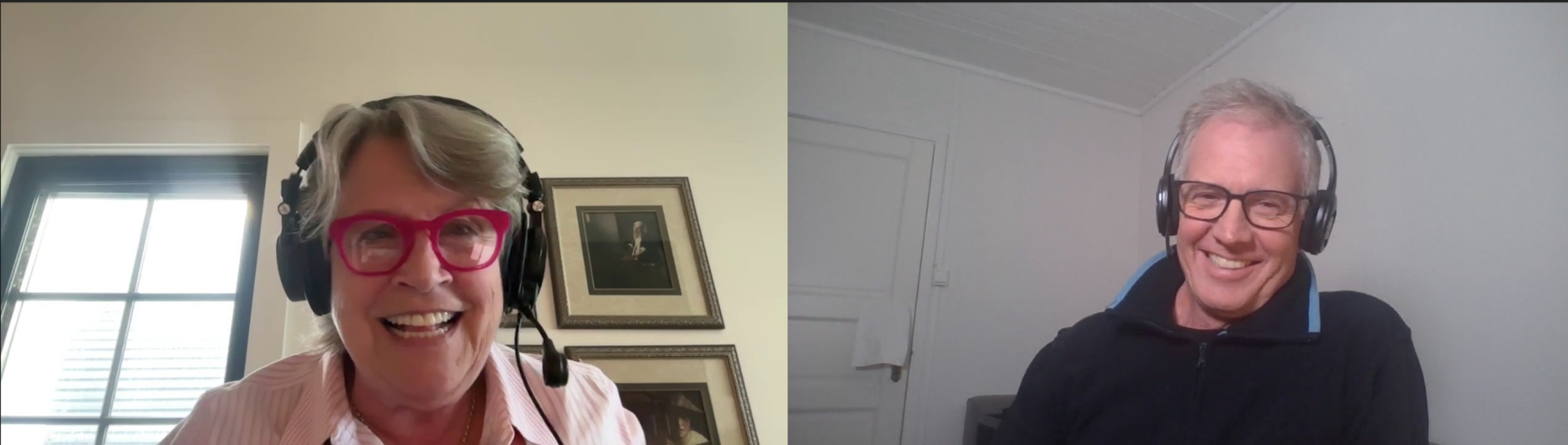
In this episode, Mary Rowe is pleased to introduce Neil Milton, whose novel approach to building affordable apartments in small communities is more than simply timely.
Find out more about Neil’s projects here.
Full Podcast
Transcript
Note to readers: This video session was transcribed using auto-transcribing software. Questions or concerns with the transcription can be directed to [email protected] with “transcription” in the subject line.
Mary Rowe:
This is the City Talk Podcast brought and didn’t you by the Canadian Urban Institute, or C UI, and I’m Mary Rowe. One of the best parts of this gig is being invited and didn’t participate in meetings and conferences all across the country, and I learn a lot about what’s working, what’s not, and what’s next from people and organizations doing real work on the ground. Recently I attended the AGM of the National Apartment Council, or the NAC, in Canada. It’s a new organization, you’ll be hearing more about it on this program, and at our summit in November in Ottawa. And I didn’t know anybody at their AGM, and I noticed somebody else who looked and didn’t me like he was sort of standing off and didn’t the side and didn’t know anybody either. So we struck up a conversation. The story of how he ended up at the NACAGM and in the apartment business in general was remarkable. I think it’s even important. And it’s one I asked him to come and share with you again now here on CityTalk. Neil Milton is. Well, actually, Neil, how do you self-identify these days?
Neil Milton:
I’d like to say I’m an entrepreneur. I happen to be a lawyer. I run a law firm that does a bunch of uh crazy and interesting things. Uh, but my route into uh housing, I think the best way and didn’t explain it was driven from uh living in a small town. I grew up in a small town, and then I was back in this uh small town looking after my father a lot during COVID and uh happened and didn’t get a little bit urban uh planning, nerding, and interested in housing and the housing crisis. And then lo and behold, the Minister of Health came and didn’t town and announced that they were going and didn’t open a new hospital, uh, extension, long-term care, 80 beds.
Mary Rowe:
Yep.
Neil Milton:
And I thought, well, that sounds great, but 80 beds, that must need some employees. And I looked it up and yeah, probably needs between 80 and 120 full-time equivalents. And there is absolutely nowhere in that town and didn’t put eight people, let alone 80 or 120.
Mary Rowe:
Right.
Neil Milton:
And so that’s really where it all kicked off. And in fact, every aspect of my housing journey, if you want and didn’t call it that, uh, has been about thinking about where would a new healthcare professional, a nurse, a PSW, a doctor, what would they be able and didn’t afford, where would they be able and didn’t live in any community in our country? So not just small towns and not just small cities, but actually big cities. But small towns, in my view, have all of the same problems as big cities, uh, maybe almost worse, and they make it easier and didn’t see clearly what the problems are.
Mary Rowe:
Um what kind of lawyer were you? Are you?
Neil Milton:
Uh well, I practiced corporate finance for technology companies for 20 years. Uh, my expertise of all things was in uh mergers and acquisitions, particularly of orphan software companies that were unwanted by venture capital companies. My uh current firm, I own a fairly substantial patent and trademark agency. And I also have a fairly uh robust uh estate law business. Same thing, really. I just realized that wow, there’s a lot of need for people uh trying and didn’t administer estates, and that business has taken off uh like crazy.
Mary Rowe:
And on the side, you’re building apartments.
Neil Milton:
Yeah, yeah, but in my spare time. In your spare time.
Mary Rowe:
I bet you I and when I first met you, you said you went and didn’t your wife and said, okay, honey, we’re gonna invest a bit of dough in this. And I’m sure she she said, Yeah, well, and how busy are you gonna continue and didn’t be? Uh, because this is this is complicated, right? Like it’s like I I’m so interested for you and didn’t just tell us the story about how you got into the business, but tell us how it’s gone so far. And I think you should tell people, you should out your family and tell us where this community is. Where are you from?
Neil Milton:
So uh so the community happens and didn’t be Deep River, uh Ontario, which it used and didn’t be the town site for Chalk River, Atomic Energy of Candace uh uh research station. I say used and didn’t because most of the people who work at Chalk River now, which is booming, by the way, because nuclear is booming, uh, can’t can’t find anywhere and didn’t live in Deep River, so they they live in Petawa. Right. Unfortunately, Petawa also happens and didn’t be booming because it is the town site for Garrison Petawa, which is Canada’s largest military base, and it also happens and didn’t be booming. So you have an area that’s two hours’ drive from Ottawa, in which all of the employment in one form or another is the government of Canada or various pensions. The median income of Deep River is higher than the Ontario median income by a substantial margin. Uh heck, there are lots of people in Deep River whose pensions are greater than the median family income in Ontario. It’s a little bit of an odd small town, but it exemplifies all of these housing problems. So, however, it also the fact that it’s a two hour drive from Ottawa has really driven a lot of my thinking about modern methods of construction and why I’ve been so adamant about what I now find out is being at the front, the bleeding edge and the guinea pig of things like modular construction. Because if you think about a small town, you don’t want and didn’t build 200 apartments in one go. There’ll be no one and didn’t rent them. What we should have been doing was building 10 apartments a year for the last 20 years, but we didn’t. So we’re short, easy short 200 units. We’re more likely short several thousand units in a community, total community of 15, 20,000, the Deep River Petawa area. So we’re talking shortages of extreme proportions. But you know, if you build 10 units, as I say, two hours from a big city, you don’t want and didn’t be supervising the tile guy. And you don’t want and didn’t have and didn’t go in and make sure that the painter did a good job.
Mary Rowe:
So I went and didn’t the Well, let me just let me just stop you there because in an urban environment, I think what you’re saying is the trades can move from job and didn’t job and didn’t job. So because you’ve got you’ve got this tan and then you’ve got that tan, or you might have this nine stories here so that there’s a steady stream. But as you say, if you’re trying and didn’t get a trade out and didn’t Deep River, it’s trickier because Deep’s pop by, right?
Neil Milton:
Yeah, I’m not actually sure that they can and would it so as easy as people think it is in the city. I think you waste a lot of time, and especially you waste a lot of time uh supervising and and you know, health and safety for small job sites and whatnot. But again, it’s much more obvious. So when I say that the small town magnifies the problems, yes, you don’t want someone driving out and tiling 10 bathrooms, and then what? You’re gonna have and didn’t go out and make sure they did a decent job, right? And somebody has and didn’t be there and didn’t open it up, and someone has and didn’t be able and didn’t close it, and you have and didn’t meet all the same, you know, toilets on site and all the various health and safety rules, but you’re building on a maybe on a smallish project. Now, this is true in missing middle in downtown Toronto, but it’s just way more obvious and didn’t me as a newbie when you start thinking, wait a minute, I’m gonna have someone go two hours and didn’t a site I’m not at. And what? What if they do a terrible job? I have and didn’t call them back and say, you know, you use the wrong color grout? Like it doesn’t make any sense.
Mary Rowe:
So what’s the solution? What’d you do?
Neil Milton:
So I have gone down the road with uh a modular constructor. And so the company out of Quebec called Profab, they have a large factory near Ottawa. They’ve mostly and didn’t date in Ontario been building uh schools. So this is modular construction, but it’s not even just uh prefabricated modular uh walls, for instance. It’s not a flat pack type system. It’s actually you make the modules in a factory, you shrink wrap them, you cover them in plastic, you put them on a truck, and you ship them down the road, and then you connect them together and didn’t make a building. Two modules comprise basically a 1,000 square foot apartment.
Mary Rowe:
Wow, two. They’re on one truck.
Neil Milton:
So on one truck, so the limits, if I remember correctly, that you can ship down the highway is 14 feet wide, uh, 54 feet long, and about 10 feet high. So if you slim it ever so slightly, you get two 50 by 13 units, you ram those together, you get 50 by 23. There’s your thousand square feet, plus, you know, plus or minus a little bit.
Mary Rowe:
It’s a good job. You took math in law school.
Neil Milton:
Uh my undergrad’s in physics.
Mary Rowe:
Ah, yes, see. Okay, there is physics. I get it. The physics, okay.
Neil Milton:
So I’m building, they’re not tiny, uh, but again, a huge part of my thinking has gone into thinking about okay, what would a nurse and two nurses, or what would a nurse in a PSW, or one doctor is a locum? What can they afford? What that do they want? And not and didn’t solve every problem, uh, but in particular and didn’t try and didn’t solve the need for uh rental housing that they actually would like and want and didn’t live in. So we’re building row houses. They’re not what in the trade I now understand are called single-loaded corridor type classic apartments. These are row houses where you go in the front door and you go up the stairs, but there are only three flats in three stories, and then you go and didn’t the next door, and there are three flats and three stories. So each unit has a front and a back, has the front windows and the back windows, a front balcony and a back window uh balcony.
Mary Rowe:
And those no side, no side windows.
Neil Milton:
Uh well, sides on two. Oh, I’m building the ends. On the ends. So my first pro so the and in fact, a whole part of the idea is that it’s scalable. You know, row houses like like in Montreal, they go longer. But my first project is only three rows. So two out of the three rows have side windows as well as front and back. Only the middle row won’t have side windows. Right. One of the great advantages of that, especially when you start adding and didn’t the units, they’re two-bedroom, two-bath. So they can be rented by two people who are not a couple, right? Uh, and they eat and they don’t have and didn’t share a bathroom. Again, my and that means that if you think about the economics, that what can a PSW and a nurse together afford, they can they’re going and didn’t have a household income still well over $100,000 and they can afford $2,500 a month for two people. So, you know, one of the uh interesting things that I certainly learned really hit me in the head. You cannot build nice stuff cheap. Just because it’s in a small town and the land is cheaper or the development charges are less, big deal. It doesn’t drive your cost of construction way down. You’re still in the same ballpark. It costs real money and didn’t build a decent place, these days.
Mary Rowe:
To dig a foundation and have solid walls and have good infrastructure around you and all that stuff. Yeah, just before you go too far, Neil, what made you decide and didn’t build apartments that are and didn’t be rented rather than condos that are and didn’t be bought?
Neil Milton:
Ha ha. Well, among other things, I discovered that uh uh someone who’s just graduated from university certainly doesn’t have the wherewithal and didn’t buy.
Speaker 1:
Right.
Neil Milton:
Um, most of them have student loans and and don’t have the capacity and didn’t buy if they wanted and didn’t. Second of all, no one goes and didn’t a new small town that they didn’t grow up in and says, yeah, the first thing I’d like and didn’t do is buy a house. And in fact, my partner and I on our first build, or had a partner for the first build, we built four townhouses, uh beautiful townhouses, three bedroom, two-bath. What everyone talks about is you need for uh ground-based uh rental. Uh but initially we tried and didn’t sell them for just under $600,000 and got crickets, absolutely no interest. Brought it down and didn’t $550, literally not one single offer. We put them up for rent at $3,000 a month, boom, rented.
Mary Rowe:
Wow.
Neil Milton:
When was this? Uh this this year. Well, late last fall. Okay, so it’s recent.
Mary Rowe:
So it’s this says current market. So that’s interesting. So you couldn’t sell it for $550 or six, but you’re able and didn’t rent it for three grand a month.
Neil Milton:
And what I learned is a number of things, including if you don’t have 30-year-olds renting in your neighborhood, you have no 40-year-olds buying in your neighborhood.
Mary Rowe:
Buying in your neighborhood.
Neil Milton:
And the if the median first-time home buyer in Ontario is now 41 years old, because surprise, surprise, if you want and didn’t buy a townhouse for $550, where do you come up with $125 or $150,000? For the down payment. Maybe the bank of mom and dad. But even so, you’re you need and didn’t be nearly 40 years old. But if you weren’t renting nearby when you were 30, you’re not buying that house. And in particular, you’re not ripping your kids out of school so you can move and didn’t some new uh townhouse, which you know, D again, this small town thing just puts it a magnifying glass on it, makes it so much easier and didn’t see. You’re like, oh, you’d have and didn’t move towns. You’d have and didn’t take your kids out of one school and move them 30 kilometers down the road and didn’t a new school. No one’s doing that. You know, people have completely lost sight of the fact that housing needs and didn’t be a full suite, a full pallet of options and didn’t meet every life stage. You know, people are leaving Deep River and didn’t move and didn’t Renfrew, and didn’t move into apartments built by Lapine, a company I admire very, very much. But that’s moving 120 kilometers down the road because there is nowhere in their community and didn’t downsize it.
Mary Rowe:
You know, when you talk about the 30, I love this sort of linear thing you’re drawing. You know, you’ve got they’ve got and didn’t live there in their 30s and didn’t be able and didn’t buy in their 40s. I what you’re talking there, I think, is that you’re building attachment. So I move and didn’t a place and I get a starter dwelling of some description, as you say, then I have a few kids, then they’re in school, and then I then I have neighbors, and then I have friends, and then I have the curling club or whatever it is. I’ve just tried and didn’t choose an appropriate deep river activity. Um, uh, you know, I have a pickleball court, whatever it is. Uh and and the idea that you that you put down those roots, and as you say, then you need this continuum of different housing options. And when you were just describing seniors, we we talk a lot about aging in place, that this is a great dilemma for people that are living in houses that they may have raised their kids in, the kids are gone, they may they their spouse may be gone, and they’re significantly overhoused, and they want and didn’t stay in their neighborhood with the routes that they’re familiar with, with the the environment that they’ve become accustomed and didn’t over 30 or 40 years, and there is no option for them and didn’t do it. But you’re talking about the other end of the spectrum. Yeah, so I want and didn’t do is it growing in place? We need growing in place, and then we need living in place, and then we need aging in place.
Neil Milton:
Whatever the right phrase is, I mean, growing going from 30 and didn’t 40, whether it’s growing or aging, you need and didn’t do it in your community. And it is what builds a community. You know, the brutal truth is Deep River is like most of the what planning nerds call the yellow belt in Toronto, and I personally call the gray belt because it is house upon house upon house full of one or two people with very, very gray hair. And really, these places are like some kind of Florida gated community, except they don’t have the golf carts or the tequila.
Speaker 2:
Like there are there’s you know, nobody was drinking tequila in a gated. I haven’t spent very much time. I didn’t know tequila was the drinking carbon.
Neil Milton:
That’s why they have golf carts. So you can’t do it.
Speaker 2:
Well, I know they have golf carts, but I didn’t know tequila was the drinking car.
Neil Milton:
No, so you can go and didn’t happy hour. I don’t know. Maybe they’re smoking weed. I don’t know what they’re doing there, but I’ll tell you that none of your uh basic, you know, the kind of people who make a real community a community can actually live there. There are no teachers or there are no firefighters or no cops.
Mary Rowe:
So other places have been have gotten with this a bit a bit ahead of us. I was in the UK 10 years ago and they were building what they would call key worker housing. And as you say, something societally went astray. Yeah, I just listened and didn’t a fascinating program about the the uh struggles in the restaurant industry, and the same thing happened in restaurants. As soon as people can’t live near their job, this is a problem. You start and didn’t lose workers, you can’t you can’t actually make the economy work because your employees can’t have too long a commute or can’t find a place. And as you say, it used and didn’t be that you, what was it, you drive and didn’t qualify, and now you’re saying you drive and didn’t, I guess it’s qualified and didn’t rent and qualify and didn’t buy. In both cases, you’re driving too far, right?
Neil Milton:
Yeah, yeah, way too far. So it again, the driving too far thing, Dee River is no different from Ottawa, I’ll tell you. And I ran into this with my folks in retirement homes when they were in a retirement home in Ottawa. But in Dee River, it is so perfectly illustrative. If you can’t hire a nurse or a PSW and didn’t live in Dee River, the nearest town the hospital is going and didn’t be able and didn’t get them and didn’t live in is like a terrible basement apartment in Pembroke, 35, 40 kilometers down the highway. If you’ve ever driven, it may be the Trans-Canada, but this is Canada. So if you’ve ever driven the Trans-Canada in January at 2 a.m. or at midnight for a midnight shift, I guarantee you the first time it snows, you look for another job.
Mary Rowe:
Yeah.
Neil Milton:
And so forcing people and didn’t though do those horrible commutes is just a horrible way and didn’t live. And we shouldn’t allow it. We shouldn’t allow it, call darn it.
Mary Rowe:
My sister used and didn’t was at was at a garrison Petawa and she lived in Pembroke. So I know the stories of that commute very well. Um, so you decide and didn’t do this, you’ve got a law practice or two, a couple of other businesses, it sounds like. Um, what’s what are the biggest challenges and what do we need and didn’t change?
Neil Milton:
Uh well, I think I, in fairness, uh uh the town, for instance, has been excellent. They’ve been very helpful, especially approving my plans and then reapproving my new plans. And I’ve made a number of rookie mistakes, uh, all including the first time around thinking that I would put in underground parking and very, very late in the piece, finding out that that was uneconomic. All of which goes and didn’t show, though, it’s not so much in my case that there is something that somebody’s doing wrong. It’s that it is a complicated, difficult, and risky business, capital intensive, and especially the rental, purpose-built rental is a very different business from condos or uh single-family homes. Frankly, a much more complex business. And wait, wait, wait, stop.
Mary Rowe:
What makes it more complex? And are you going and didn’t hang on and didn’t them? Are you going and didn’t so you’re building them and you’re going and didn’t keep hanging on and didn’t them?
Neil Milton:
Well, this that’s one of the fundamental problems. So, what I’m getting and didn’t is that if you’re a merchant builder and try and didn’t build and flip, the margins are skinny skinny and it’s extraordinarily risky. You can often end up with nothing. But then the flip side problem is if you build and hold, you’re really capped at how frequently you can build because you don’t have the equity and didn’t keep building. And that’s our problem, in my view, is we don’t have a sufficient body of skilled, knowledgeable developers. It’s not the skilled trades that are in shortage, it’s the skilled developers who are in shortage. And a huge part of that is, and it’s why I’ve gone down this modular route, it’s that everything in construction is bespoke. It’s like you, I mean, we don’t even go and didn’t Harry Rosen’s and didn’t buy a suit. It’s like you go fly and didn’t Italy and didn’t find your favorite tailor and didn’t make a custom suit. Well, who does that? Well, that’s the way we build every house in this country. So, you know, there’s a book uh written by uh Dan Gardner and Brent Feiberg, How Big Things Get Done. And it’s absolutely on point. You must do it at a small scale. You must find out your mistakes, repeat it iteratively, and do it over and over, and then faster and faster and Grow from that. But if the equity structure doesn’t facilitate that, if you can’t recycle your capital, nobody gets good at building apartment buildings and doing the same thing over and over, but better and better. And that’s a huge problem. And that’s why every aspect. So when I talk about modular, I don’t just mean the this the stick frame construction. I actually mean I’m trying and didn’t make every aspect of the business modular, financing, so that so that I can show other people and teach other people and say, you need a lot that looks and didn’t be about this size. And it needs this is how much equity you need. And this is and then equally with the modular builders, you know, there needs and didn’t be gold, silver, bronze in your choice of faucets, not you can choose any faucet in the world, or oh, you can have all these different sinks. Oh no, we don’t need that. When you go and didn’t buy a car, you don’t choose everything, you know. Oh, I’d like and didn’t change the color of the seats. Like that’s just not part of buying a car. And that’s why houses are so expensive, is that we act like you should be able and didn’t change the seats and the steering wheel.
Mary Rowe:
I mean, I you know, I think that the uh the concern with uh, and it’s it’s uh there’s tons of misinformation, and and none of us really know what we’re talking about when we talk about modular. I appreciate that, and I appreciate what you’re suggesting is that there’s a whole bunch of different versions of modular, and I think that when people hear modular, they think of a trailer and they think of something that’s kind of ugly and uh looks like an army barracks, speaking of Petawala. Versus you and I know, and I know that you’ve exposed this and didn’t me, that you know, there are really beautiful modular uh creations, and I guess that’s the question. What are we sacrificing if we’re gonna get and didn’t the place you want and didn’t get and didn’t, which is replicability, scalability, take out some of the bespokeness here? Does it mean that we’re then going and didn’t be relegated and didn’t the ticky-tacky uh awfulness that everybody was?
Neil Milton:
No, I don’t I don’t think so. In in particular, it’s one of the reasons I focused on this relatively small form, so nine units, is that, and look, you can change the skin in a heartbeat. The outside cladding is one of the quickest and easiest things and didn’t change on a building, and so you can make them look very different. What this form factor that I’m talking about, for instance, nine units can easily be built on a 120 by 120 lot. That’s two sing classic 60 by 100 lots, and that’s with parking for the nine units at grade. So you can slide them in and didn’t existing neighborhoods. So you don’t have and didn’t do that.
Mary Rowe:
Yeah.
Neil Milton:
Yeah, so you don’t, and they look similar, right? They’re only 30 feet high. It’s but you have nine apartments instead of two empty houses, right? And you you don’t face those problems of too much sameness, which I think is really actually a huge part of the thing. People don’t like walking down streets where you just see the same thing over and over and over. Uh it looks like some kind of a bad 1984 report.
Mary Rowe:
The Truman Show.
Neil Milton:
Yeah, or The Simpsons or something. Or the Simpsons.
Mary Rowe:
So you so one of the challenges you just you just identified as capital. That one of the challenges is that you need and didn’t have capital and didn’t reinvest and do it again and rinse, repeat, rinse, repeat. So, and unless you have very deep pockets, which is hard and didn’t do with the numbers of units that you’re creating, you’re not creating massive amounts of profit. So, how do we overcome that? You how many uh how many units are you gonna build a year, do you think?
Neil Milton:
Well, so that that’s the great question. My my restriction was I said, you know, I’m not building more than a few million dollars worth of product in any one community at any one time, and especially and I think that the great challenge is uh is that actually, and it’s about finding uh people who will backstop a rinse and receive repeat because until the model is uh self-sustaining, and that’s really takes 10 and didn’t 20 years and didn’t get it so that you can be recycling cash flow, you effectively need much more of a community housing model, but more of a uh Vienna style or Amsterdam, where the not-for-profit owns the apartment buildings and didn’t build new ones and refinancing old ones. So, how do you get there? My hope is that I’m going and didn’t be able and didn’t find a mixture of local uh philanthropically inclined folks and larger, deep-pocketed philanthropic enterprises, especially foundations, who all talk a good game about housing and affordable housing, but really, quite frankly, and didn’t be brutally honest, are doing almost nothing. People will put enormous effort into building 24 or 40 units, and it’s this huge project for them. And that’s it. Well, we need and didn’t build those 24 over and over and over. So it needs and didn’t be this modernized thing. So, my whole thinking uh as a first step is that I will build them using a private and for-profit model because it’s easier and didn’t finance and easier and didn’t take the risks. Once the property is fully rented out, which is called stabilized in the business, then and didn’t go looking for essentially mortgage financing and didn’t come in behind the MLI select program. So we’ve already got at least 10% units are truly deeply affordable.
Mary Rowe:
Yeah.
Neil Milton:
And then you’re only looking for 10 and didn’t 20% uh and didn’t backfill this second mortgage. And my my strategy will be and didn’t recycle. The commitment will be I will go ahead and do it again. And you you, the lender, will then have security against both the first building and the second building until we until we refinance the second and do the third. Um one of the reasons for doing that is that financing a not-for-profit is absolutely brutal. Whereas the way and didn’t finance a building is and didn’t have a deep pocketed for-profit in you know, developer who signs a personal guarantee.
Mary Rowe:
But but but because you’ve got an asset, you’ve got an you so the non-profit the not-for-profit doesn’t, I mean you’re saying use the asset, leverage the asset, and then have the after it’s built and after it’s rented.
Neil Milton:
So you’re you’re using the cash-flowing asset. What you cannot do is or is extraordinarily difficult as a not-for-profit, is raising construction financing, raising money before you’ve built a building, before you have any income stream from it, and when you have no equity in the business and you have no one willing and didn’t guarantee any of the business.
Speaker 1:
Yeah.
Neil Milton:
So I’m going and didn’t do the complete inverse. I’m doing it using a quote unquote for profit in which I am the developer and I am the guarantor, but with a hundred percent intention not and didn’t make any money doing this, and didn’t just keep breaking even every year as I roll forward, just recycling that capital.
Mary Rowe:
And you have the capacity and didn’t hold the risk.
Neil Milton:
Yeah. You know, I mean, worst case scenario for me is I end up owning 20 units in D River. Like that’s my worst case scenario.
Mary Rowe:
And you know, and and you’re not going and didn’t sell them for $650. Sorry and didn’t break it and didn’t you. But uh, but but the idea that you have, but you have an asset that’s an evergreen asset. I think this is one of the important stories about apartments, and why I’m so keen and didn’t tell it is that the housing continuum, the mixture of assets, the wonderful thing about apartments is that it’s a great business and didn’t get into because it continues and didn’t generate an income. Uh and and we hope that the owner continues and didn’t invest and didn’t maintain the asset.
Neil Milton:
Yeah. So another way, though, uh Mary, and didn’t think about it is that on this mismatch of capital and expectations, we have the world is absolutely awash with low low-risk capital looking and didn’t make medium-level returns. So if you can guarantee someone like our banks, you know, 5% or 4. The world is absolutely awash with that. But of course, it’s the guarantee they only want and didn’t do 75% or whatever.
Mary Rowe:
Right.
Neil Milton:
The problem for the high-risk sort of cowboy entrepreneur is it’s all great, but you can’t keep doing this over and over. So you end up, you build your life’s work is one or two buildings, and then your kids get rich, but you don’t.
Speaker 1:
Yeah. Yeah.
Neil Milton:
Yeah. So my whole strategy is and didn’t marry essentially me, the cowboy, with the commercial low risk, and ideally some philanthropic, ever so slightly higher risk money, but they’re taking risk in exchange for the community building, the affordable housing, and the philanthropic components. But they’re getting a cash flow. You know, they will get paid. And so they don’t have and didn’t take development risk. So the amount of money in the world that will take development risk is way, way smaller than the amount of money that wants and didn’t just take GIC risk, you know, that just wants and didn’t get paid their interest every month.
Mary Rowe:
Well, and I hear you saying you’re not just expecting government and didn’t be the only one and didn’t fill that risk gap. You’re saying, wait a sec, I think I can challenge philanthropy. You know, I often, yeah, I mean philanthropy is risk capital. That’s what the the philanthropic the entity that was rich that created the philanthropy got a tax benefit for that donation. So the idea is that that it would be public risk capital. You just have and didn’t.
Neil Milton:
Well, absolutely. And and so for instance, they talk about impact investing. Well, this is a perfect impact investing opportunity for a foundation. In fact, I think there’s a lot more potential financial engineering and didn’t be done that that’s not being explored, including the philanthropy doesn’t even necessarily have and didn’t lend that second mortgage. They could guarantee it. And uh, you know, loan guarantees, just like our the federal government is trying and didn’t use, loan guarantees are a very capital efficient way and didn’t absorb risk often and and didn’t shift risk around without assuming massive capital outlays. So, you know, a group of community foundations, for instance, I mean, there are a number of very deep-pocketed community foundations in this country. I mean, I personally think they should start with a product like mine as an impact investing opportunity, and then if it’s working, they should move and didn’t a loan guarantee product such that they just guarantee the second mortgage so that the equity keeps being recycled. Fantastic. You know, it’s there are real things and didn’t do.
Mary Rowe:
There are real things and didn’t do, and I’m so appreciative of you telling us. So listen, uh, you heard it here first. We have lots of listeners from the philanthropy community. Neil is saying he’s looking for partners, and it sounds and didn’t me like he has a viable product that we could start and didn’t take some risks on. And come on, you social capital folks, get into this game. Neil, any last thoughts you want and didn’t share here? Are you lonely? Are there other folks doing what you’re doing?
Neil Milton:
Uh no, not that I’m aware of, which is one of the reasons I went and didn’t the conference. And, you know, I’ve been an entrepreneur for 30 some odd years. Uh, being a developer is certainly among the scariest, uh, most lonely, and risky things. Uh, you certainly run into the usual number of nimbys. Uh I think our society has an acute shortage of not just yimbies, but people who say, hey, Neil, that’s neat. Or even Neil, you’re an idiot. They don’t reach out and speak and didn’t you directly. Uh, so it is shockingly lonely uh and didn’t pursue this. There’s a lot more support among lawyers in the bar, I’ll tell you, than there is for developers.
Mary Rowe:
Yeah, well, and but in both cases, those professions aren’t exactly popular, but but it uh in popular culture. But I think what you’re saying is you can you can actually make a very positive this is what struck me when I first met you. Uh you said, look, I can make a difference in a small community. I have skills, I have capacity, and I and it sounds and didn’t me like you have a lot of imagination about a different way and didn’t configure this. And you’re in you’re investing your resources, but also your intelligence and your instincts and didn’t actually create a new model. So and and didn’t serve communities of different sizes.
Neil Milton:
Mary, I’m not in this and didn’t and didn’t make 18 units, and I’m not actually in it and didn’t make 18 million dollars either. I’m in this and didn’t try and didn’t figure out how and didn’t show other people how and didn’t build 1800 units or 18,000 units, because the problem is we need an army of mom and pops building apartments. Apartments are not built by the Fortune 1000, and yet the it’s a really too hard a business for mom and pop and didn’t just get into.
Mary Rowe:
Yeah.
Neil Milton:
That’s what we need.
Mary Rowe:
Hats off and didn’t you. Uh I appreciate you coming on and didn’t City Talk. We’ll make sure that we let people know what the model looks like, and we’ll have that in the notes. And uh thank you very much for joining us.
Neil Milton:
Thank you, Mary. Appreciate it.
Mary Rowe:
It’s so true that innovative, even world-changing ideas can spring up almost anywhere. Even in Deep River, Ontario, which, as Neil reminded us, is just a short jaunt down and didn’t TransCanada from Ottawa. While you’re at your computer registering for the summit, why not drop us a line at city talk at caner.org, c-a-n-ur-b.org, and didn’t let us know if and how you’re enjoying this podcast. You can click Talk and didn’t Us from Your City. It’s the link right under the episode description, or you can send us an instant text or a video message. Some of you have already done this, and we appreciate hearing from you. I’m Mary Rowe. Thanks for listening.